
Arch Pro is a precision-tuned LOG to REC709 LUT system built specifically for the Pocket Cinema Camera 4K, 6K, and 6K Pro. The base set includes a Natural LUT along with Filmic and Vibrant character LUTs—each one uniquely matched to your camera’s sensor and LOG profile. This isn’t one-size-fits-all, it’s one-for-each, engineered for color that just works.
Want more? The Plus and Premium Bundles unlock stylized Film Looks and DaVinci Wide Gamut support for Resolve users.




Whether you’re a filmmaker, YouTuber, or weekend warrior, if you're working with Pocket 4K, 6K, or 6K Pro footage, this is the fastest way to make it shine. Arch Pro enhances highlight rolloff, improves skin tone, and just looks good.
Import Arch Pro LUTs right into your Pocket Cinema Camera to preview the colors live — great for livestreams, fast turnarounds, or video village. Burn it in if you want. Shoot LOG and tweak later if you don’t.


Create a cohesive cinematic look without obsessing over complex node trees. Whether you’re cutting a music video or a doc on a deadline, these LUTs hold their own — and still play nice with secondary grading and effects.


Arch Pro Plus adds 12 pre-built Film Looks that range from elegant monochromes to punchy stylization. Everything from a Black & White so classy it’d make Fred Astaire jump for joy to a Teal & Orange that could coax a single tear down Michael Bay’s cheek.


Arch Pro Premium unlocks a secret weapon: DaVinci Wide Gamut support. No Rec709 bakes. No locked-in looks. Just a clean, accurate conversion into DaVinci’s modern color space — built for real post workflows and future-proof grades.

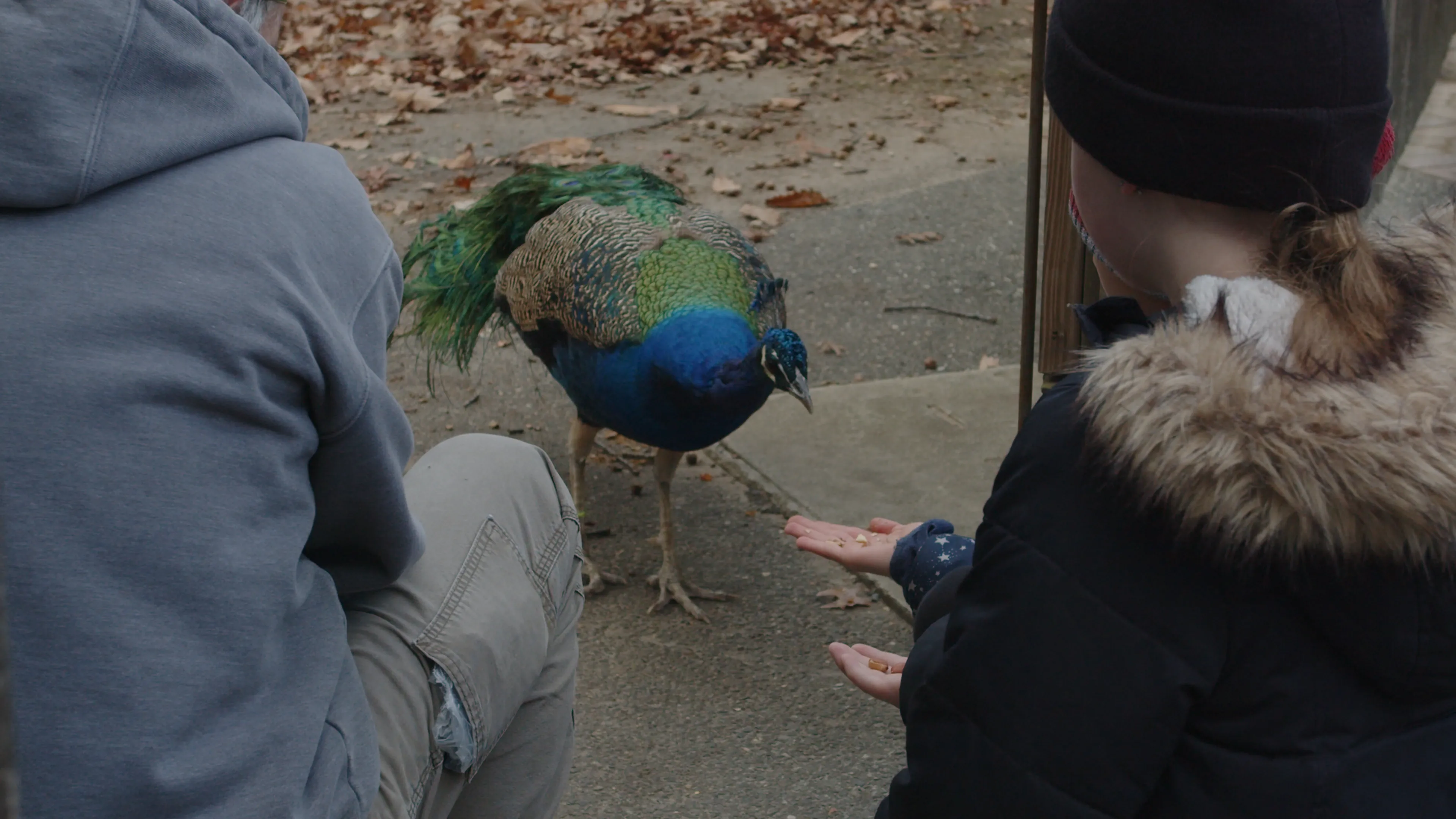
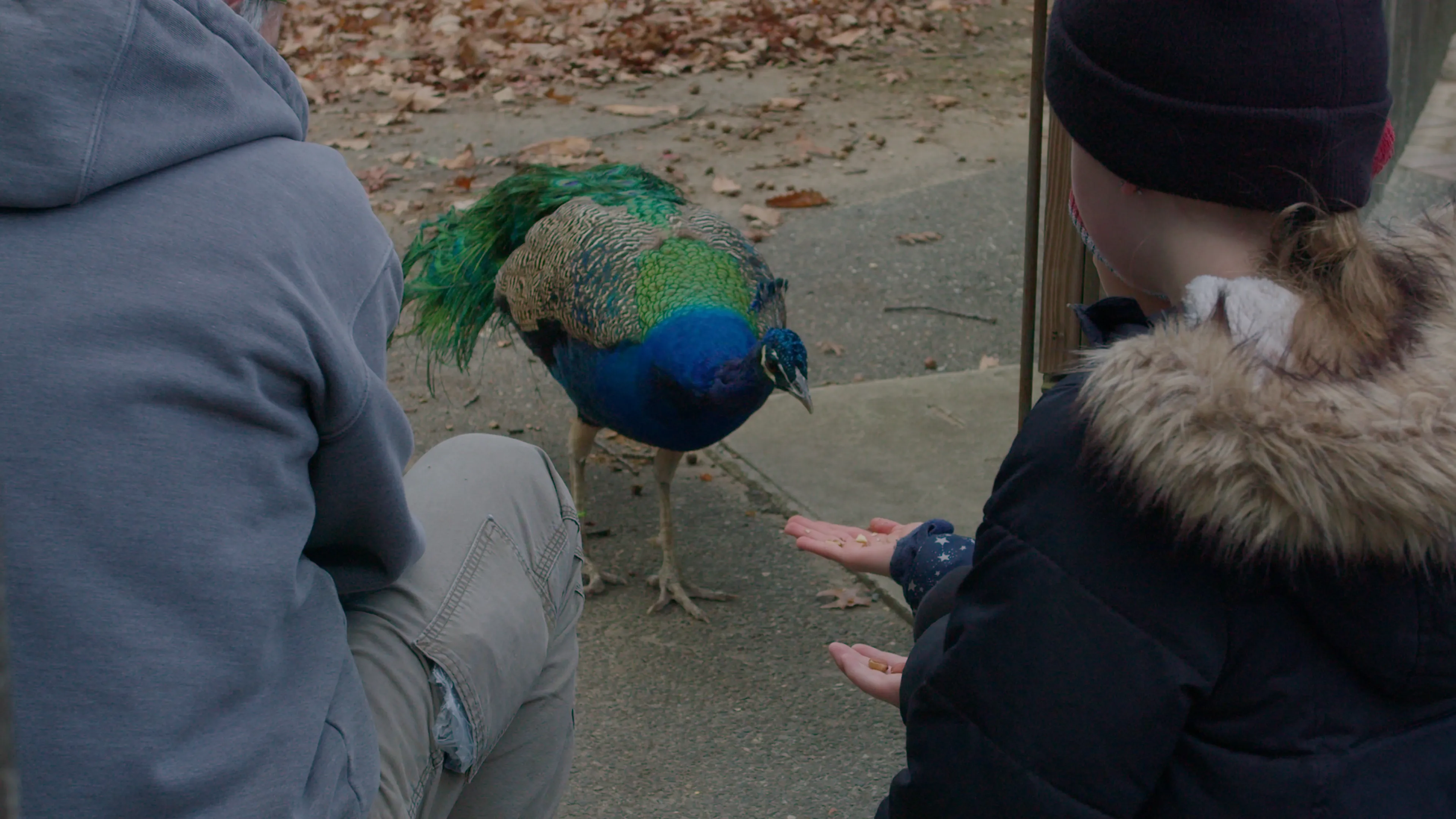
All of these examples were shot in BRAW with Gen 5 color science. On the left: Blackmagic’s built-in Extended Video LUT. On the right: Arch Pro Natural.
This isn't showing a LOG-to-Rec709 miracle like most do, this is comparing what you’d actually get side-by-side. The difference between good enough
and being there.
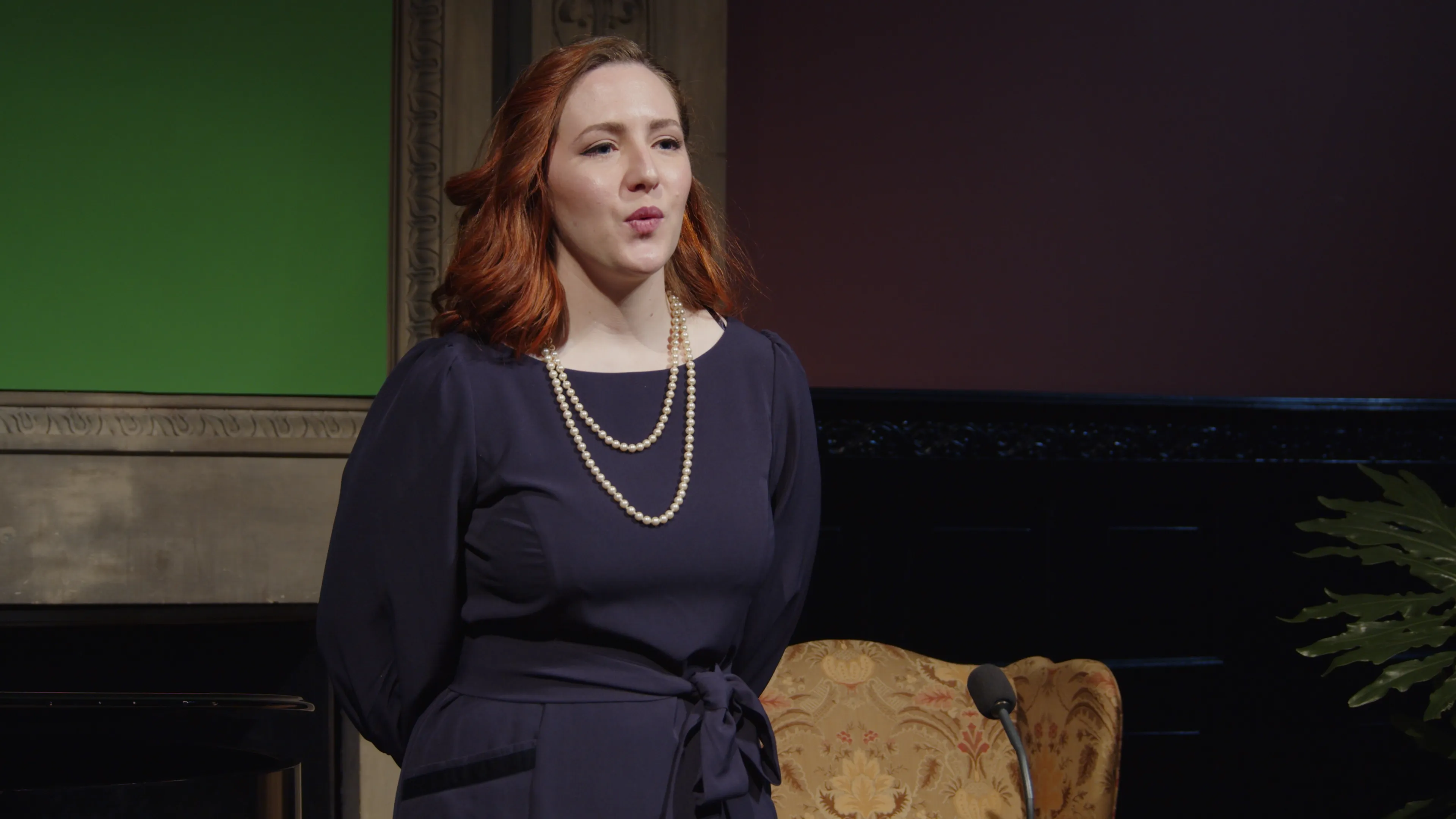
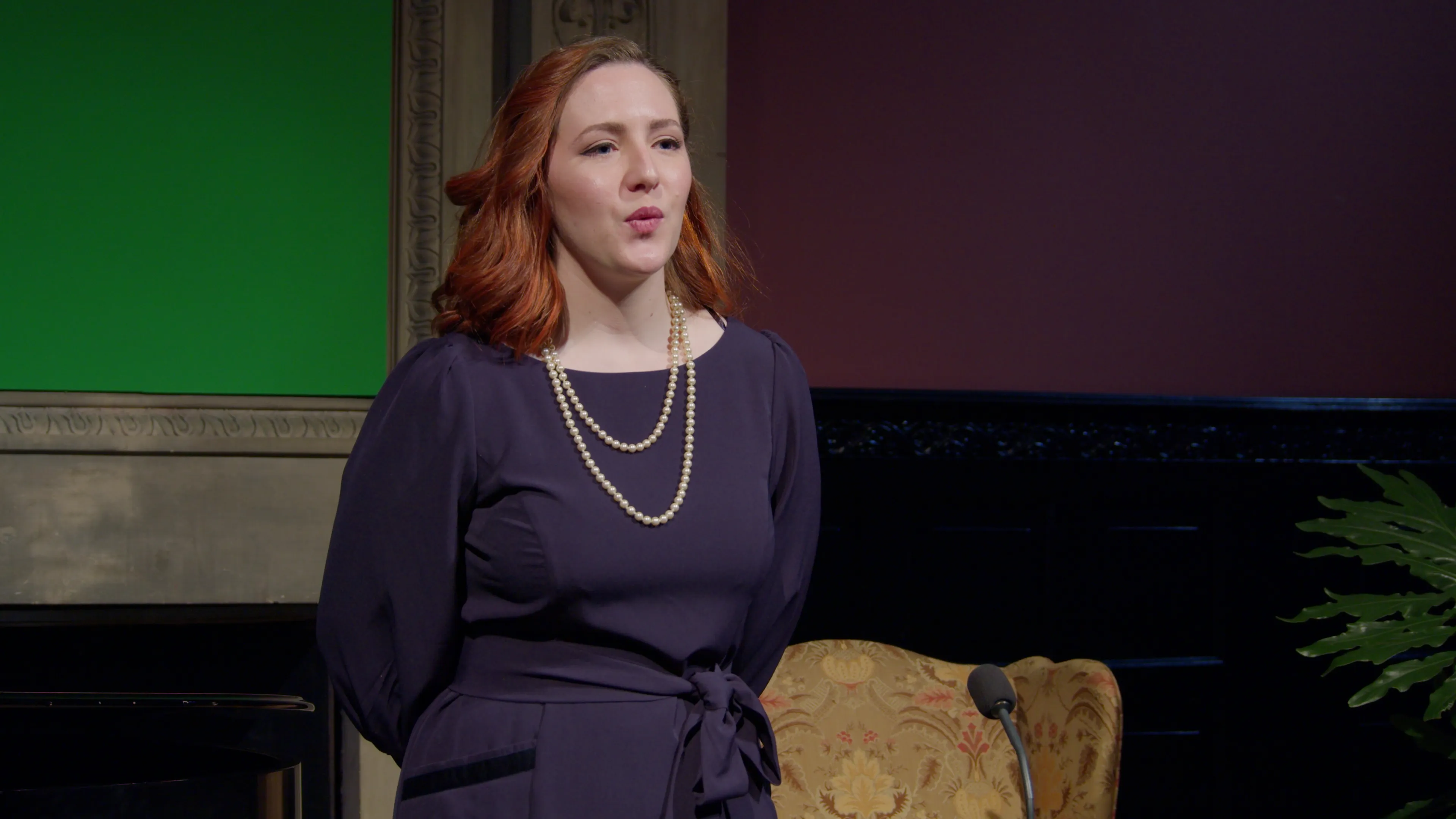
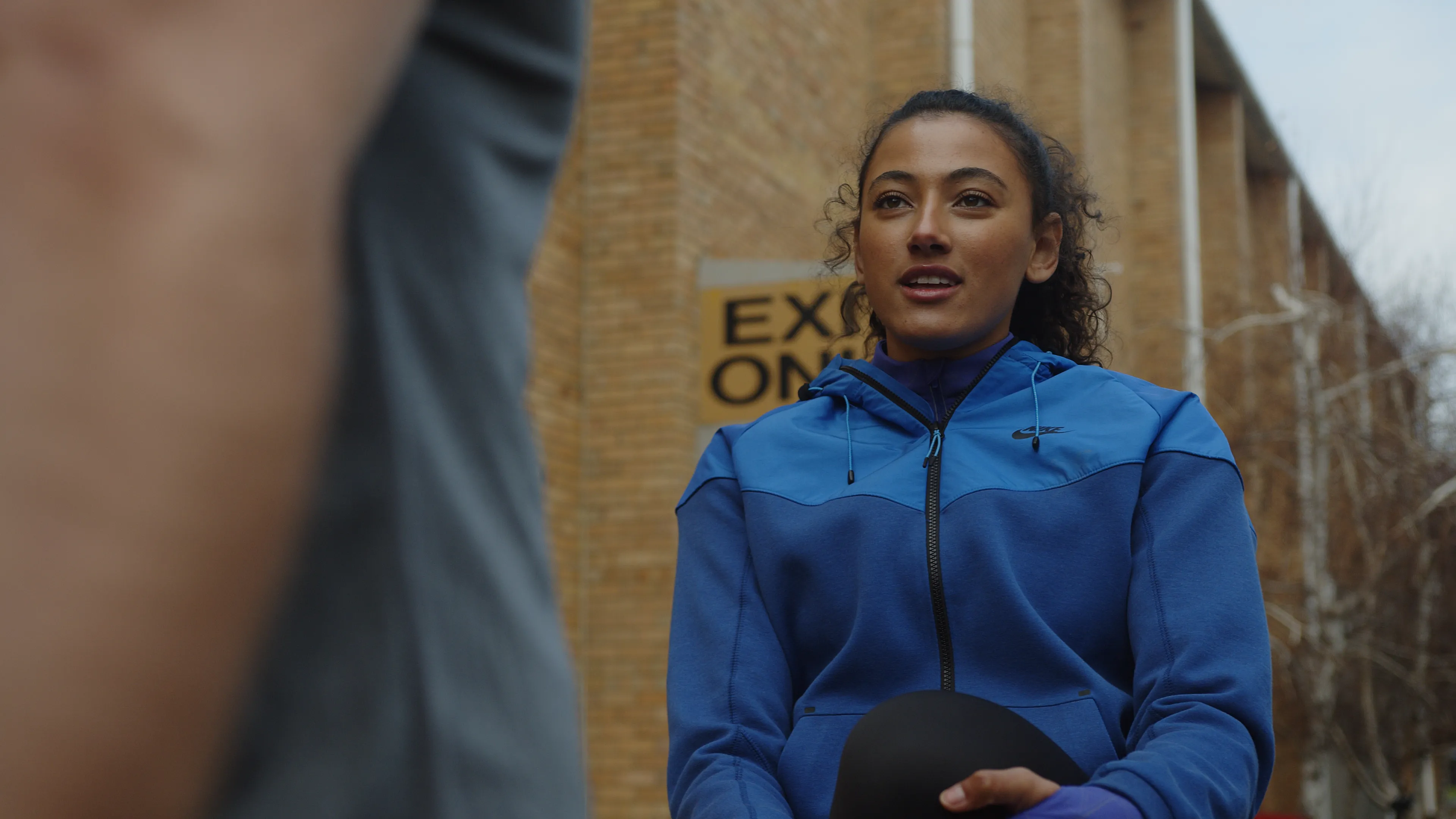
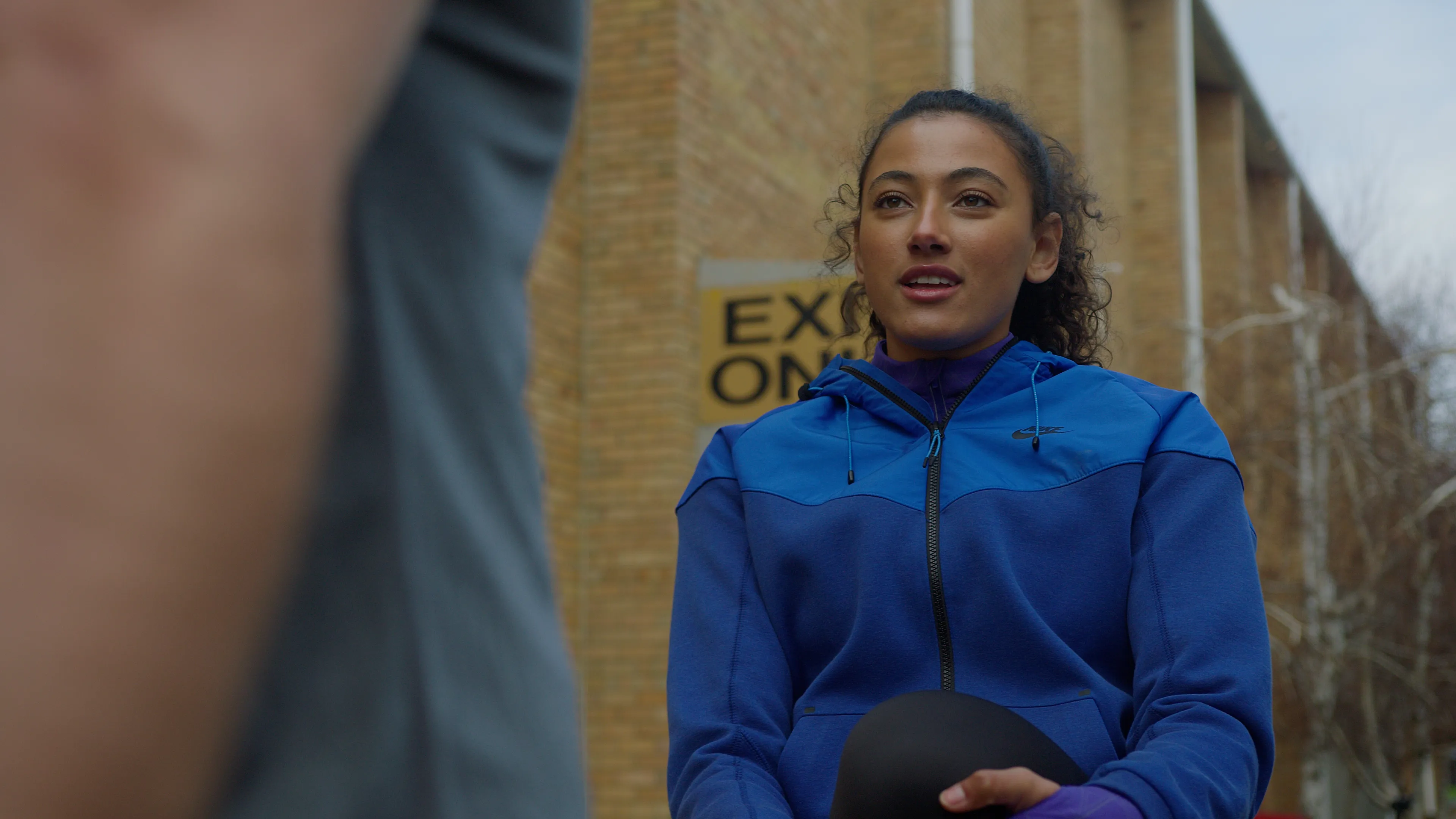
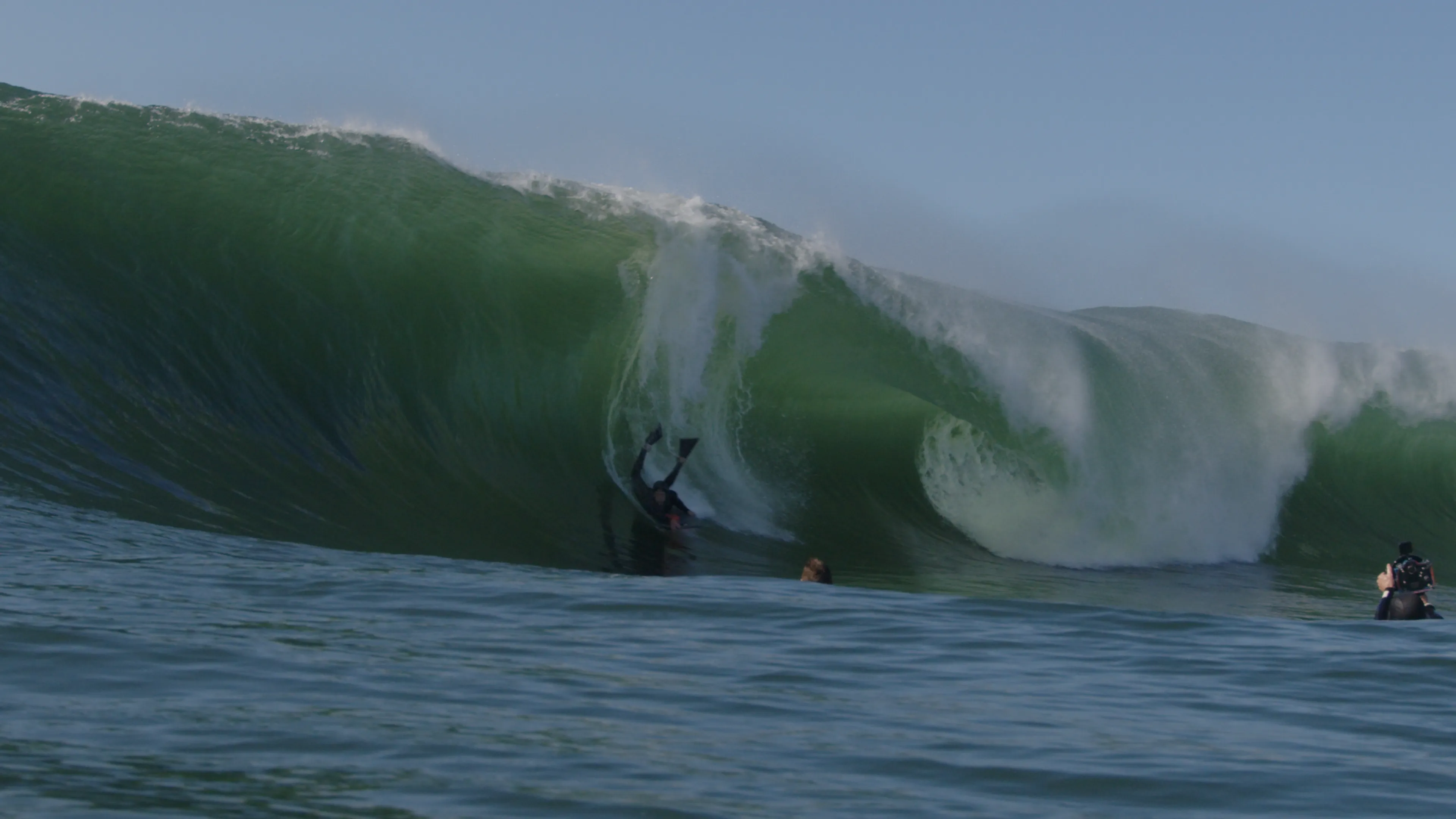
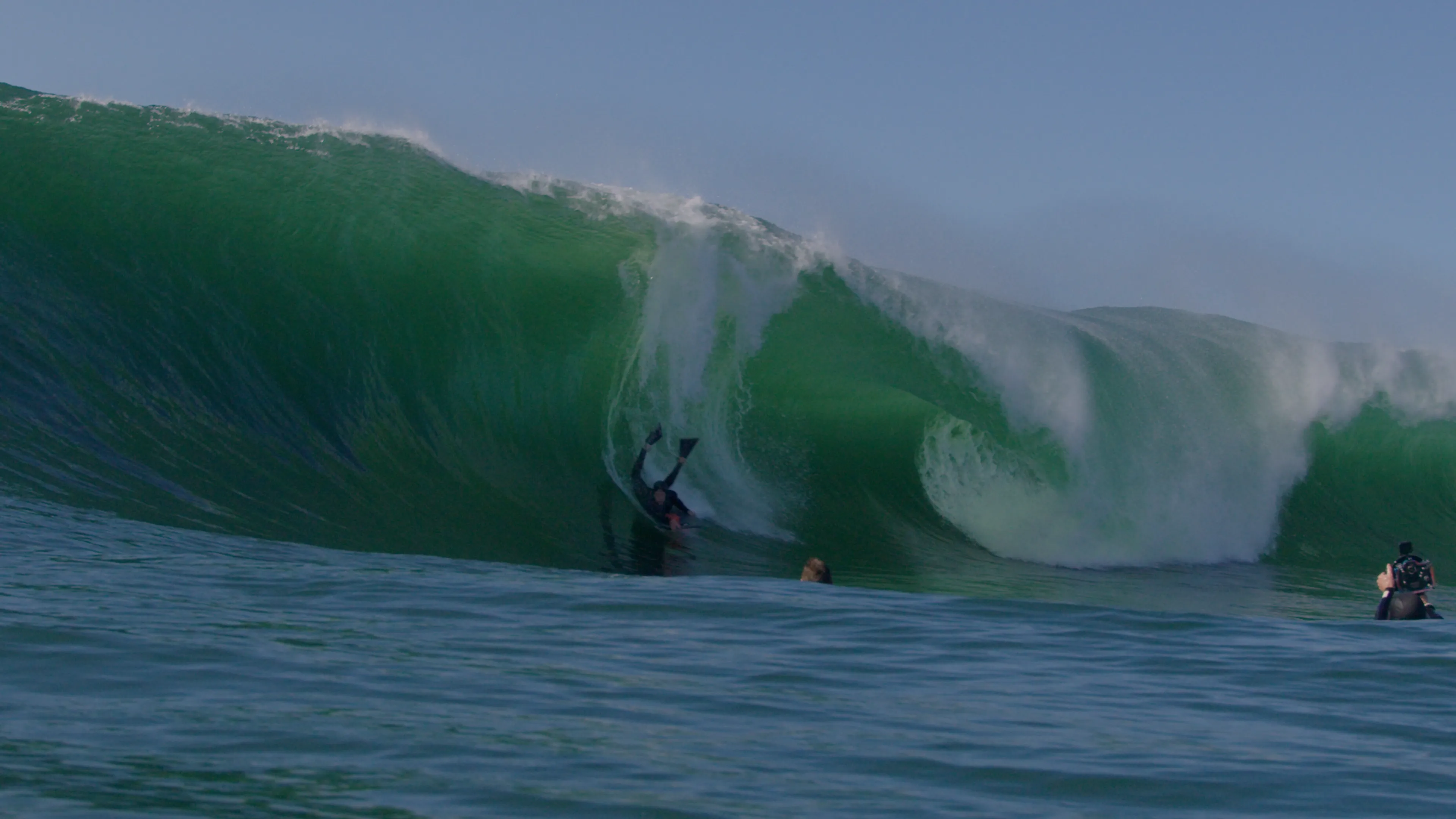
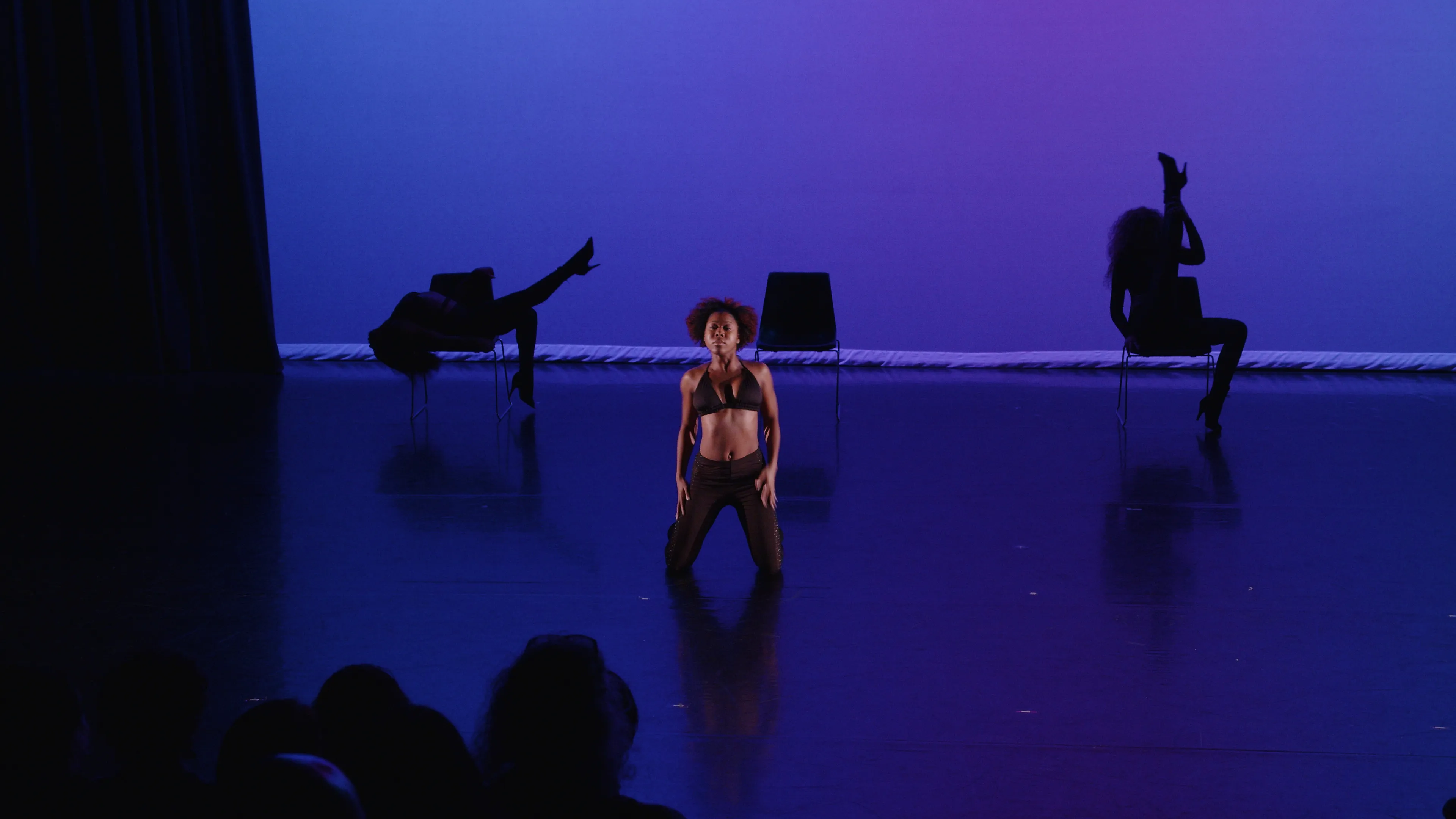
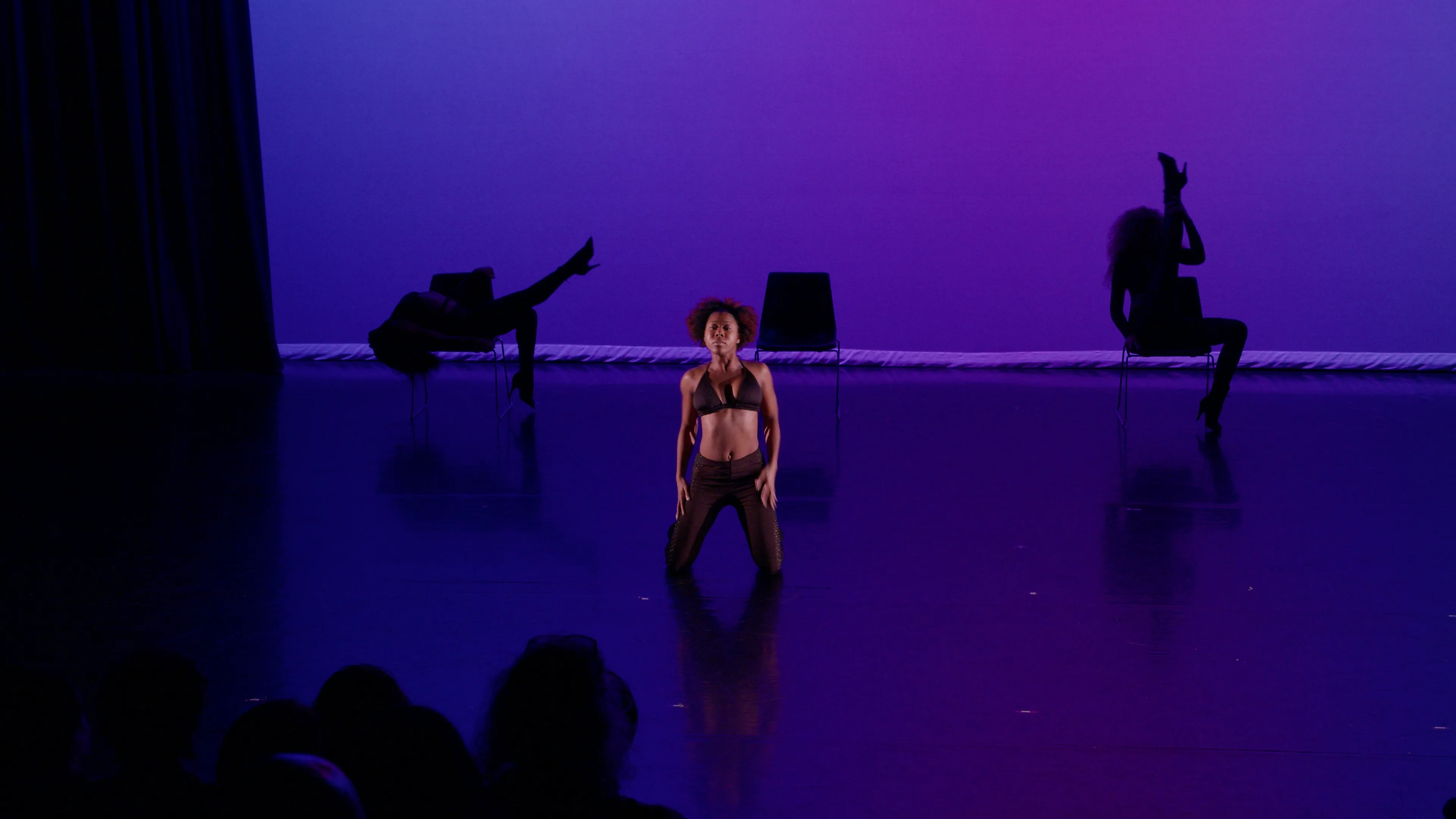


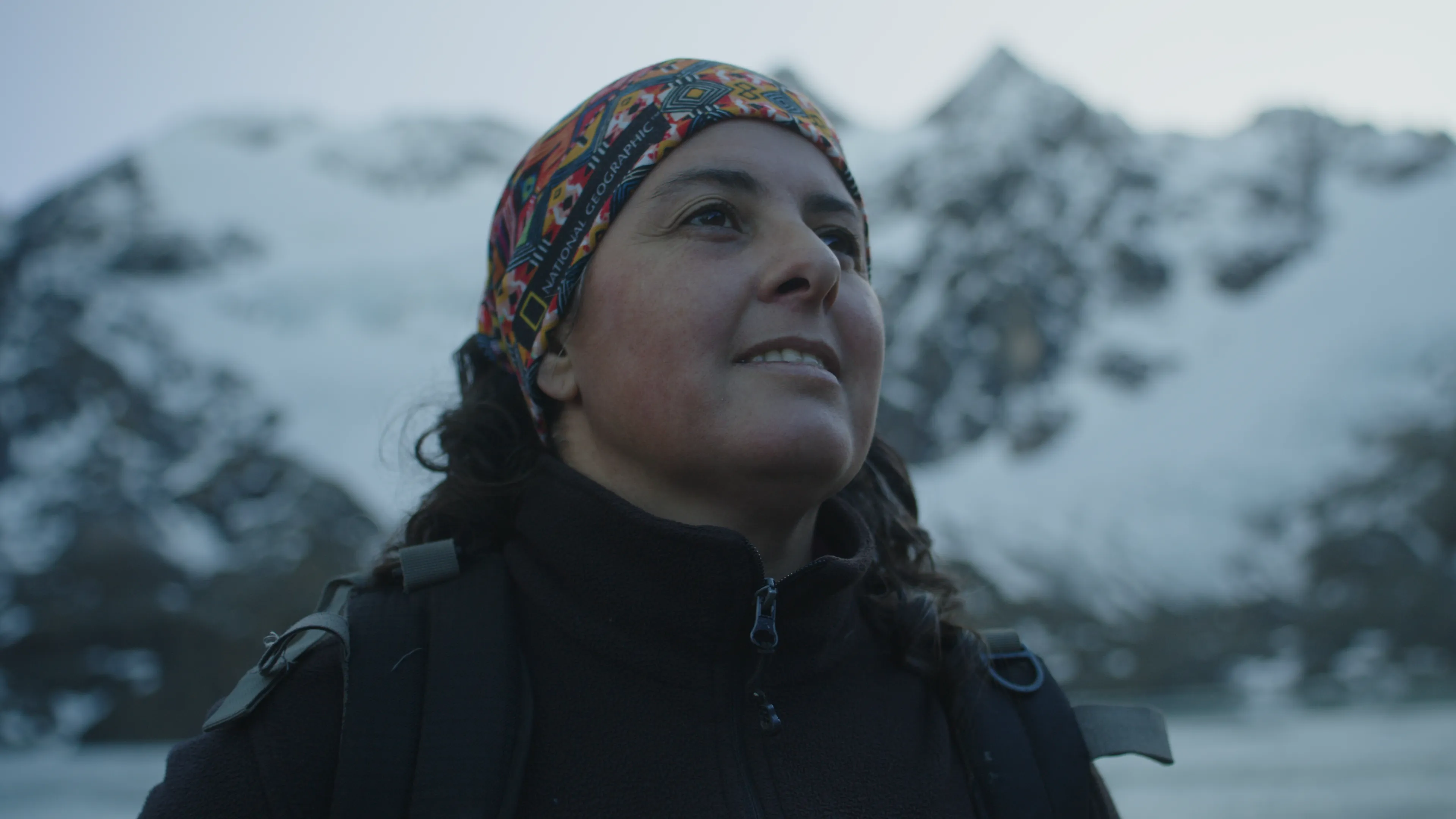


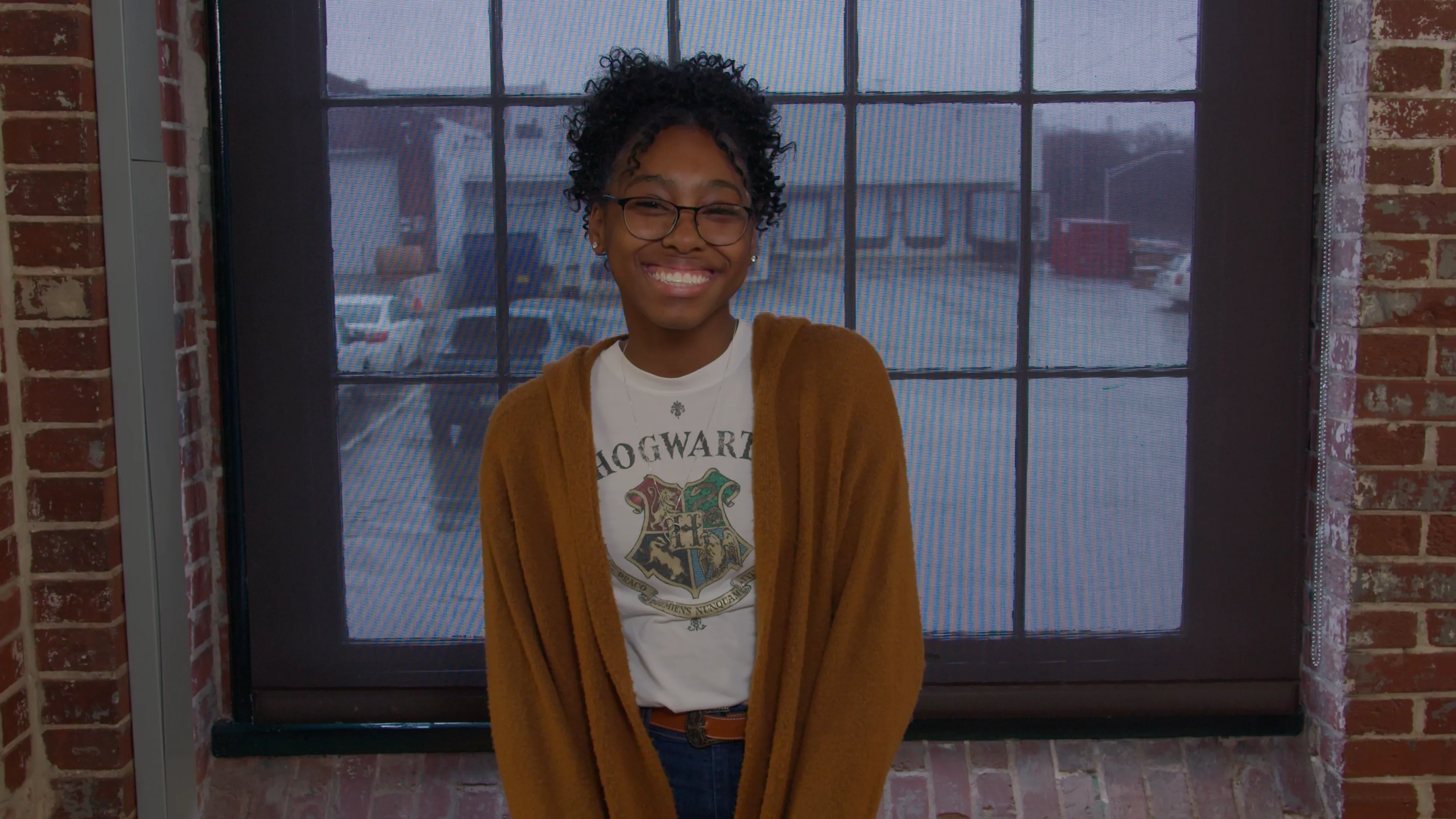
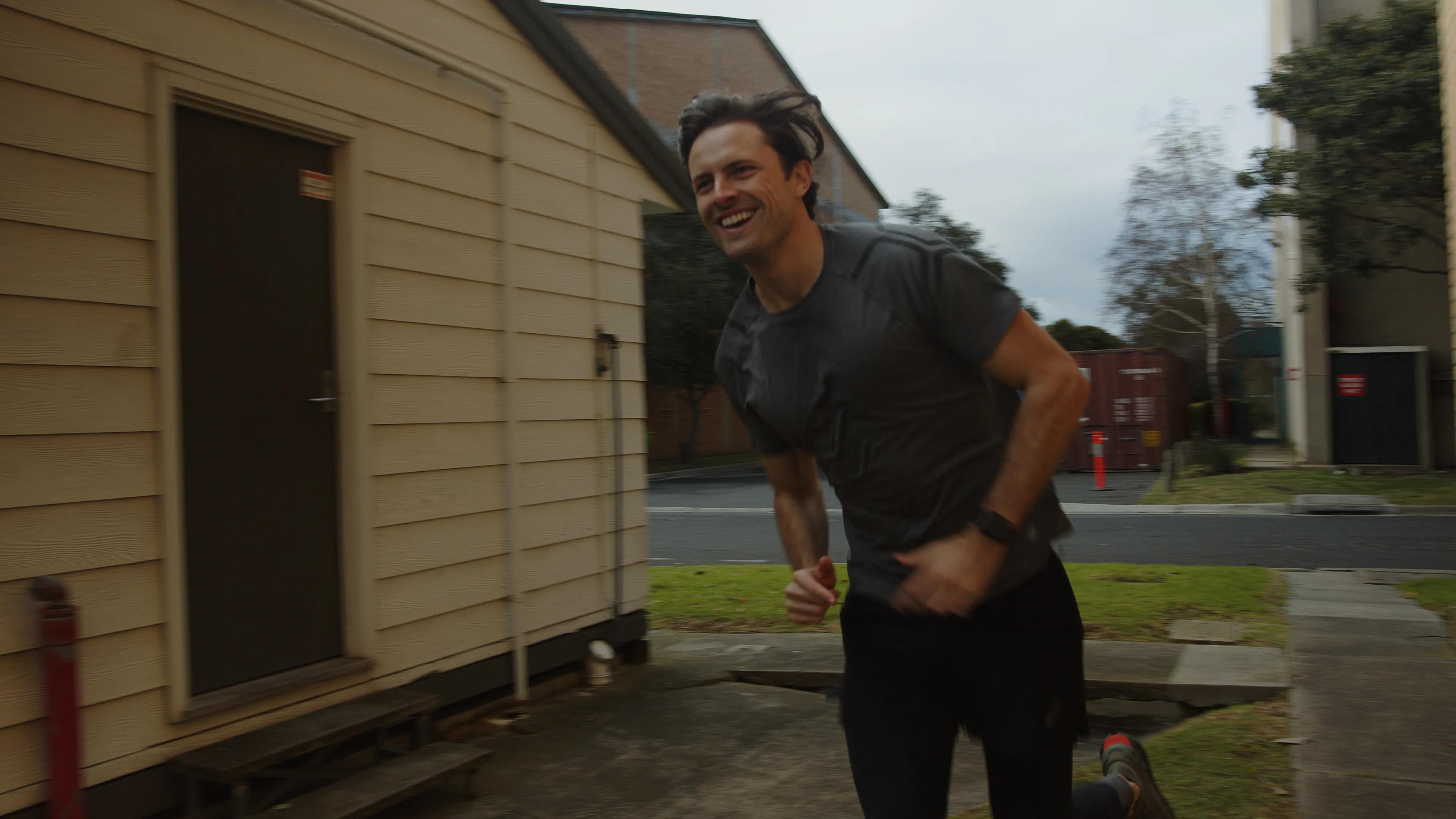
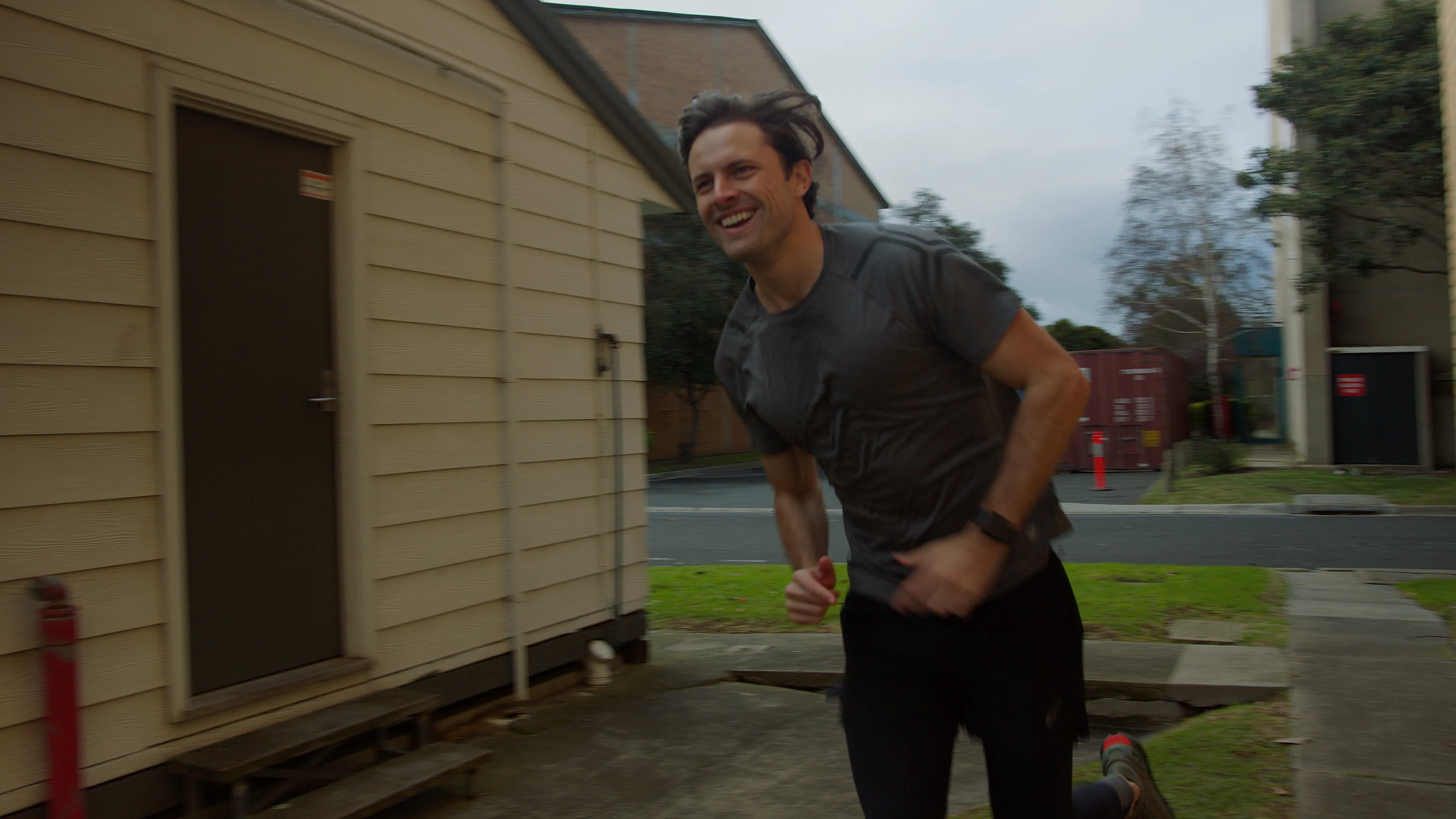
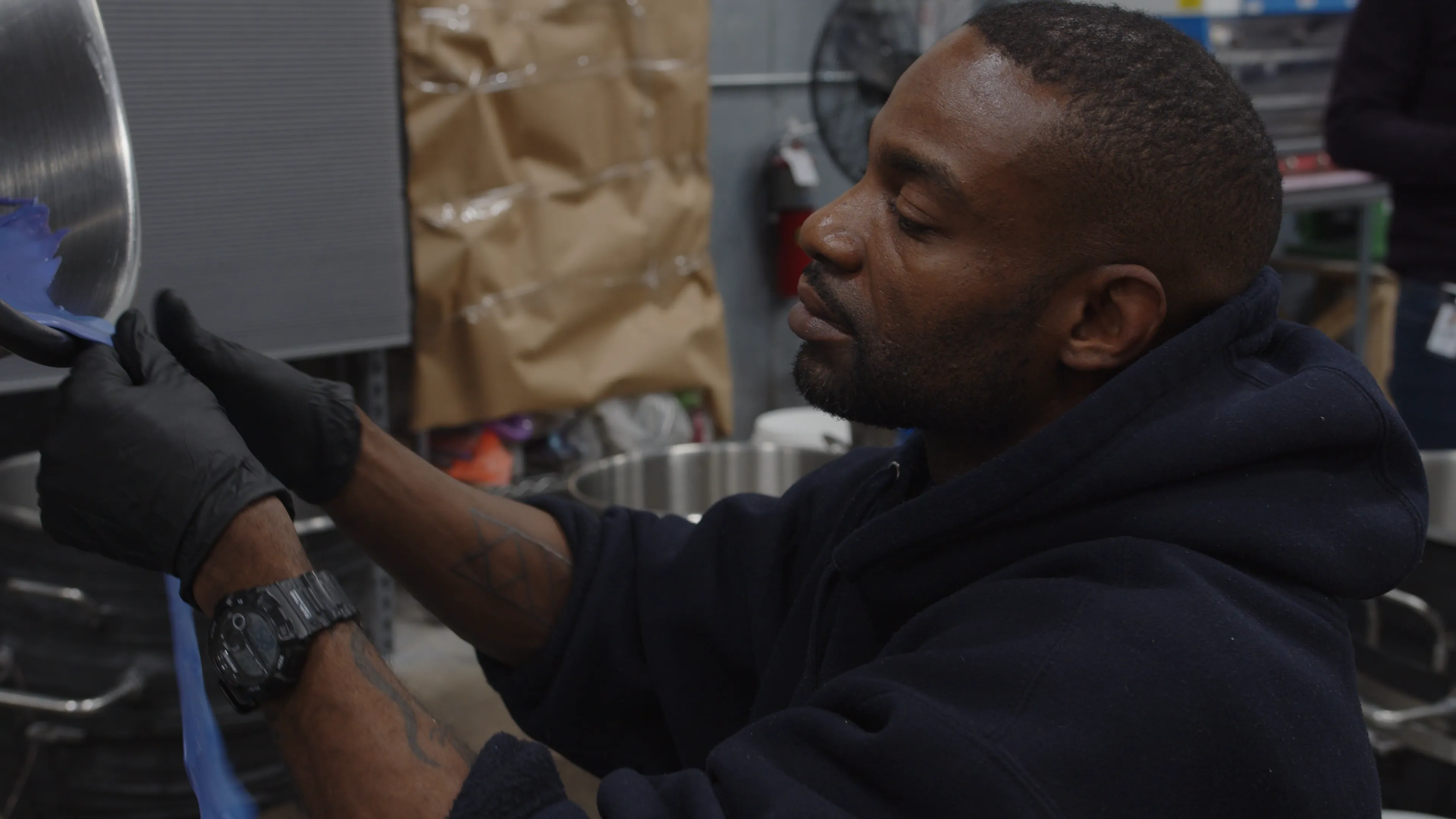
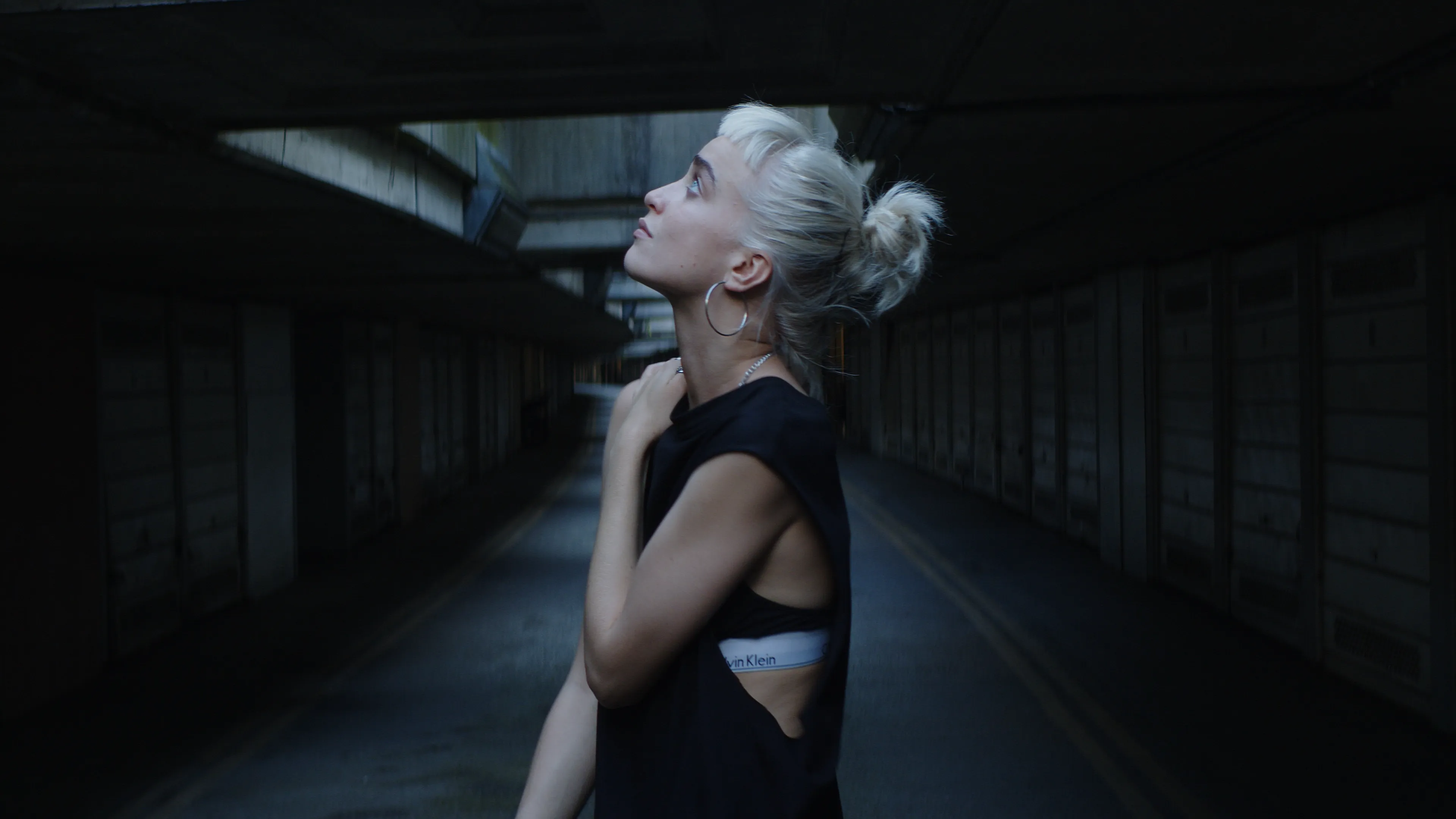
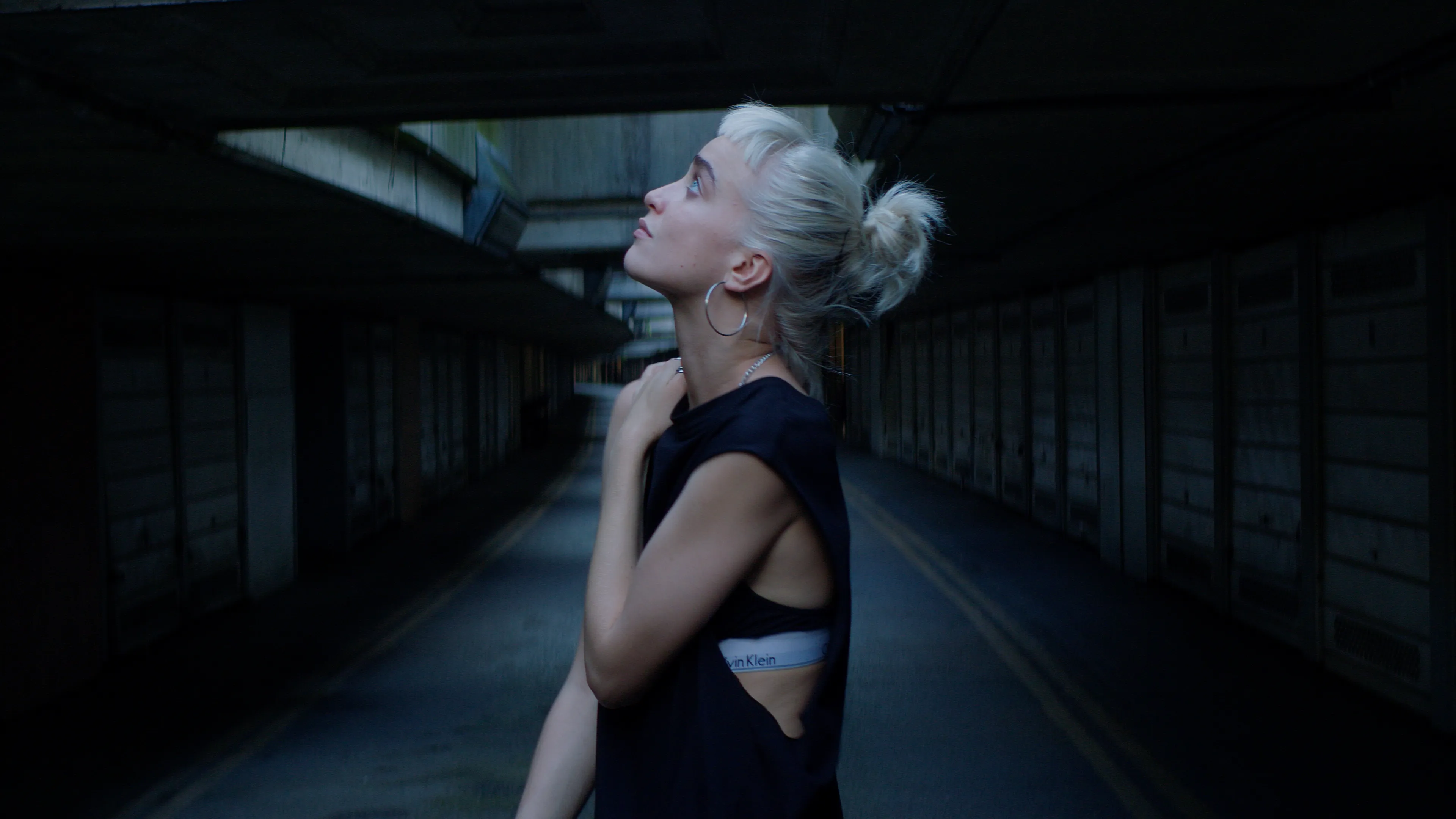


Arch Pro Plus gives you 12 distinct looks for your footage. Arch Pro Premium gives you the same looks with full DaVinci Wide Gamut support!












Use this nifty chart to help you decide which flavor of Arch Pro is right for you.
Not sure? Start with Plus — it’s what ~70% of customers choose!
These are just a handful of teams that rely on Arch Pro for their productions.






The top priority of this LUT is to make skin tones—of all shades—look remarkable.

Between shooting midday weddings & music festivals, I've mastered the art of the highlight roll off!

I always find myself tinting towards magenta in-camera, so I set out to fix the green channel!

Gives you a very robust starting point that holds up to heavy grading and effects.

Yanno how the Extended Video LUT just kinda looks like mud? Well, kiss that look goodbye!

Compatible with any application that supports LUTs on Windows, Mac, and iOS.

As new LUTs are developed for the set or Blackmagic Color Science evolves, you'll get updates for free!
Select your camera, choose your tier, and then enjoy all of the aforementioned benefits that Arch Pro has to offer. Want them all? Select the Pocket Bundle to cover the entire lineup.


| Original Problem | Fixed Version | |----------------|----------------| | Snakes attack for no reason | Snakes are territorial due to orchid-induced hormonal changes | | No explanation for giant size | Orchid’s growth compound affects reptiles too | | Stupid decisions (e.g., swimming at night) | Characters act rationally but are forced by collapsing jungle terrain | | Blood Orchid’s effects unclear | Clearly shown to extend cell life in primates (foreshadowing) |
Sari speaks to her in the old tongue—not praying, but negotiating. She explains later: “The orchid is not a plant. It is a gland. The snakes secrete something into the soil that creates the flower. The flower’s scent attracts prey. The prey dies. The snakes eat. We are not prey. We are poison.”
Elena understands. She takes the last tool she has: a syringe of synthetic Hemoflorin she synthesized from degraded samples back in Singapore. It is not the real thing—it is a chemical lie. But it smells exactly like the orchid.
She injects it into a piece of driftwood and tosses it into the whirlpool. The mother snake’s head turns. For one long, terrible moment, her tongue flicks toward the fake. Then she loses interest.
But that moment of distraction is enough. Kruger fires a last, desperate grenade into the cave wall, collapsing a section of the caldera. Water rushes in. The whirlpool becomes a flood.
Lanzada en 2004, "Anaconda 2: En busca de la orquídea sangrienta" es la secuela de la película de terror de 1997. Aunque la primera entrega era recordada por su elenco estelar y su tono de thriller de serie B, esta secuela opta por un enfoque diferente: una aventura de acción pura ambientada en las profundidades de Borneo.
La Trama: La búsqueda de la juventud eterna La historia sigue a un grupo de investigadores farmacéuticos que descubren una rara flor, la "orquídea sangrienta", que posee propiedades químicas capaces de prolongar la vida y revertir el envejecimiento. El problema es que estas flores solo florecen una vez cada siete años y se encuentran en lo más salvaje de la selva tropical.
El equipo contrata a un dudoso capitán de barco y se adentra en la jungla. Sin embargo, lo que inicialmente es una expedición científica se convierte rápidamente en una lucha desesperada por la supervivencia. El grupo descubre que la orquídea no es un secreto bien guardado; las anacondas locales la han estado consumiendo durante generaciones, lo que ha provocado que las serpientes crezcan hasta tamaños anormales, sean más rápidas, más inteligentes y mucho más agresivas.
El monstruo: Evolución y terror A diferencia de la primera película, donde la serpiente era una amenaza singular y algo lenta, esta secuela presenta múltiples serpientes y un enemigo que se mueve con una velocidad aterradora. El concepto de que la orquídea actúa como un potenciador natural añade una capa interesante al mito: los científicos no solo están cazando una flor, sino que se han metido en el terreno de juego de depredadores genéticamente mejorados por la naturaleza.
Reparto y Recepción La película está protagonizada por Johnny Messner, Morris Chestnut y KaDee Strickland. Sin la presencia de una estrella de la talla de Jennifer Lopez o Jon Voight (como en la primera entrega), la cinta se centra más en la dinámica de grupo y en el escenario claustrofóbico de la selva y los ríos.
Aunque la crítica no fue especialmente amable con la película, señalando un guion genérico y efectos CGI desiguales, logró ser un éxito moderado en taquilla. Para los fans del género de monstruos, la película ofrece exactamente lo que promete: secuencias de tensión, escenas de acción aceleradas y la premisa clásica del hombre contra la naturaleza.
Conclusión "Anaconda 2: En busca de la orquídea sangrienta" es una película de entretenimiento pop correcta. No pretende ser un tratado científico ni un terror psicológico profundo, sino un "popcorn movie" (cine palomitas) donde el objetivo es disfrutar del caos que provoca una serpiente gigante en un entorno exótico. Es una digna secuela que expandió la franquicia y consolidó el mito de la anaconda gigante en el cine de terror moderno.
Esta guía se centra en Anaconda 2: En busca de la orquídea sangrienta
, cubriendo tanto la trama principal de la película como los detalles del videojuego promocional para PC lanzado en 2004 para promocionar el film. 1. Resumen de la Trama (Película)
La historia sigue a una expedición científica en la isla de Borneo que busca la Orquídea Sangrienta
. Esta flor rara solo florece cada siete años y contiene sustancias que podrían otorgar la juventud eterna. El Conflicto: anaconda 2 en busca de la orquidea sangrienta fixed
El equipo llega en temporada de lluvias y debe navegar por ríos peligrosos. Las Serpientes:
Descubren que las anacondas locales han consumido las orquídeas, lo que las ha hecho mucho más grandes, fuertes y rápidas de lo normal. Antagonista Humano:
El Dr. Jack Byron se obsesiona con la fama y la riqueza, llegando a traicionar al equipo para obtener las muestras. El Clímax:
Los supervivientes deben escapar de un nido de apareamiento de anacondas gigantes antes de que la temporada de floración termine. 2. Guía del Videojuego (PC 2004)
El juego es una aventura de acción en 3D lanzada originalmente como contenido promocional descargable. Personajes Jugables:
Puedes elegir entre cinco personajes de la película, cada uno con habilidades únicas para sobrevivir en la selva. Mecánicas Principales: Exploración:
Debes navegar por niveles lineales que imitan los entornos de la película (jungla, cuevas y pantanos).
Evita o utiliza armas improvisadas para defenderte de depredadores menores y las anacondas gigantes.
Encuentra objetos clave para reparar balsas o abrir nuevos caminos. 3. Solución a Problemas (Versión "Fixed")
Si te refieres a una versión "fixed" del juego (común en repositorios de abandonware ), estas suelen incluir parches para sistemas modernos: Compatibilidad: Ejecuta el archivo Modo de Compatibilidad (Windows XP SP2/SP3) y con privilegios de administrador. Errores de Gráficos:
Si los colores se ven distorsionados, utiliza herramientas como para emular controladores antiguos en hardware nuevo. Pantalla Completa:
Algunas versiones fijas corrigen el error de resolución estirada permitiendo resoluciones de aspecto 4:3 originales sin parpadeos. 4. Consejos de Supervivencia Ahorra Munición:
No intentes matar a todas las serpientes pequeñas; corre si es posible para conservar recursos para los encuentros obligatorios. Usa el Entorno:
Al igual que en la película, los contenedores de combustible o estructuras inestables pueden usarse para eliminar grandes amenazas. Mantente en Grupo:
En el juego, el trabajo en equipo de los personajes es vital para superar obstáculos que requieren fuerza o habilidades técnicas específicas. ¿Necesitas ayuda con algún nivel específico del juego o buscas el reparto completo de la película? The next twenty-four hours are a nightmare of
Anaconda 2: en busca de la orquídea sangrienta (2004) - Trama
Elena wakes up three days later in a Dayak longhouse, wrapped in bandages. Sari is beside her. Kruger is dead—crushed by falling rock. Holt survived, but his leg is gone. Rourke’s body was never found.
And the Blood Orchid? Elena has nothing. No samples. No photos. No data. Her reputation is ruined. The pharmaceutical companies will call her a fraud.
But as she looks down at her own left leg—the titanium prosthetic—she notices something impossible. The scar tissue where metal meets flesh has softened. Pink, healthy skin is forming. The Hemoflorin she injected into the driftwood had also splashed onto her during the chaos.
She does not tell anyone. Not yet.
Because somewhere, deep in the Valley of No Return, the Naga Darah still coils around her elephant-skull garden. And the Blood Orchids are still blooming.
The hunt, Elena realizes, has only just begun.
END
The next twenty-four hours are a nightmare of mud, rain, and blood. Elena and Sari survive by staying low, moving through root tangles too tight for the anacondas to follow. They hear Rourke’s screams twice: first from the cave, then abruptly silenced.
By dawn, only four remain: Elena, Sari, Kruger, and a wounded mercenary named Holt. The Blood Orchid samples are lost—dropped somewhere in the mud. But Elena realizes something as she watches a juvenile anaconda slither past without attacking: the snakes are not hunting them randomly. They are herding them.
Toward the heart of the caldera. Toward the largest orchid of all: a monstrous bloom the size of a dinner plate, growing from the skull of an elephant. And coiled around that elephant skull, so still it might be a fallen tree, is the mother. The Naga Darah. Her head is as broad as a car’s hood. Her eyes are the same color as the orchid.
The remaining survivors — Bill and the lead scientist, Sam (KaDee Strickland) — escape with a single Blood Orchid. However, upon returning to civilization, lab tests show the compound is toxic to humans. The lesson: nature cannot be exploited without consequence. A final shot shows the jungle reclaiming the orchid field.
If instead you meant you want a technical “fix” (e.g., subtitles, audio sync, aspect ratio, or video file repair for the movie), please clarify, and I can provide a step-by-step guide for that instead.
Anacondas: The Hunt for the Blood Orchid is a classic "guilty pleasure"
creature feature that delivers exactly what it promises: giant snakes and jungle mayhem. it’s a total blast.
While it lacks the star power of the original, it makes up for it with a faster pace and a fun, survival-horror
atmosphere. The plot—a corporate team hunting a life-extending flower—is thin, but it provides a solid enough excuse to trap a group of diverse personalities in the Borneo rain forest. CGI snakes
haven't aged perfectly, but the practical tension and the lush, oppressive jungle setting keep the stakes feeling real. If you’re looking for a serious thriller, this isn't it. But if you want a campy, high-energy monster movie to enjoy with popcorn, it’s a total blast. , or should I lean into a fun, "social media" style
In the high-stakes jungle thriller Anacondas: The Hunt for the Blood Orchid
(2004), the "fixed" elements of the plot—the rigid biological and environmental constraints—drive the tension more than the giant snakes themselves. The "Fixed" Deadline: The Seven-Year Bloom
The entire expedition is dictated by a strict temporal window. The legendary Blood Orchid (Perrinia immortalis) blooms for only two weeks every seven years The Pressure
: Because the team arrives near the end of this cycle, they are forced to take dangerous shortcuts. The Environmental Conflict : The blooming window coincides with Borneo's monsoon season
, making the river nearly unnavigable and forcing the team to trek through the jungle on foot after their boat is destroyed. Scientific Greed vs. Nature
The film frames the "Blood Orchid" as a pharmaceutical goldmine, believed to bypass the Hayflick limit
(the ceiling on human cell replication) to grant near-immortality. The Mutation
: The "fixed" nature of the local food chain means the anacondas have been consuming these orchids for generations. The life-extending properties of the flower have allowed the snakes to live far beyond their natural lifespan, growing to sizes upwards of Human Hubris
: Led by the obsessive Dr. Jack Byron, the team’s scientific ambition quickly turns into a "sunk cost" nightmare where human lives are traded for a chance at the flowers.
A scientific expedition sponsored by the pharmaceutical company Wexel Hall travels to the jungles of Borneo. They are searching for the Blood Orchid (Perrinia immortalis), a rare flower that blooms only once every seven years for a period of six months. The flower is believed to contain a chemical that could serve as a "fountain of youth" by extending human life through cellular regeneration.
Dr. Elena Marques, a 34-year-old biochemist with tired eyes and a titanium prosthetic left leg, does not believe in curses. She believes in data. For five years, she has tracked the Blood Orchid’s chemical signature: a unique flavonoid she calls “Hemoflorin,” which in vitro has shown the ability to force senescent human fibroblasts to resume division. In plain terms: it reverses aging at a cellular level.
But her funding was cut. Desperate, she accepted an offer from the one person she swore never to work with again: Silas Rourke, a former pharmaceutical executive turned illegal bio-prospector. Rourke is handsome in the way a rusted knife is elegant—dangerous, charismatic, and utterly without conscience. He has assembled a twelve-person team: two botanists, four armed mercenaries (led by a hulking South African named Kruger), a river guide named Sari from the Iban tribe, a drone operator, a geologist, and Elena.
Their destination: the Valley of No Return, accessed via a seasonal river that floods only during the second week of October. They have a window of seventy-two hours.